
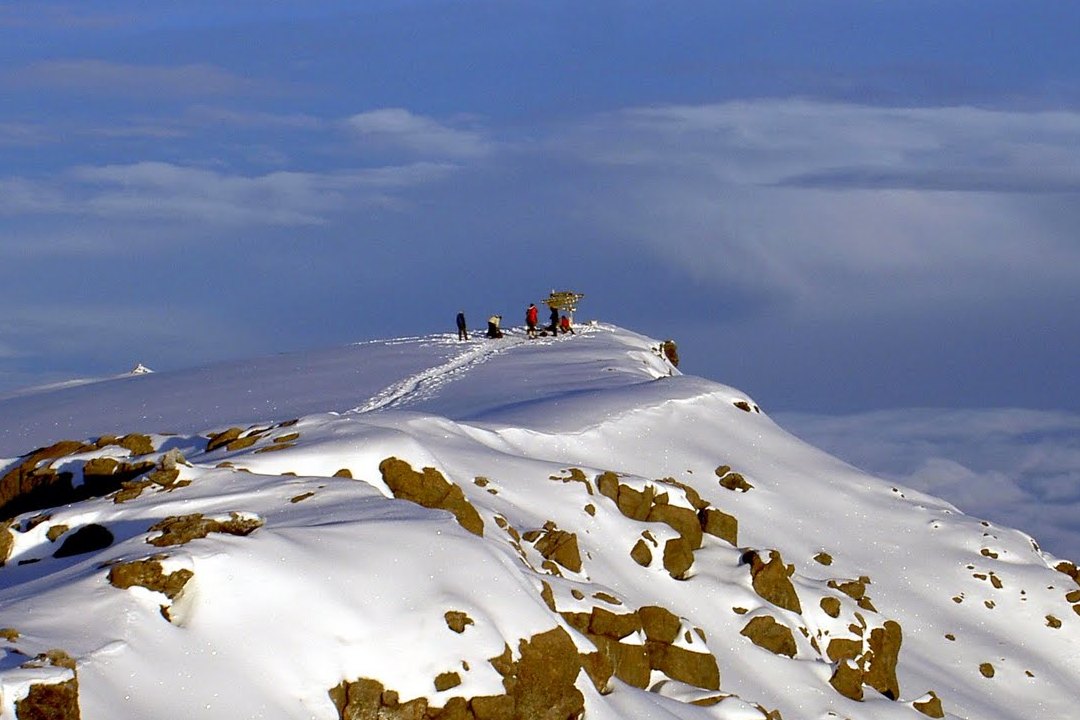
Mount Kilimanjaro is an unforgettable adventure destination where you can enjoy the thrilling climb and get the best photographs on Mount Kilimanjaro.
Many tourists choose Kilimanjaro for their adventure in Tanzania, not only for the thrill but for the beautiful and unique sceneries that capture all eyes and hearts. For those who don’t know, Mount Kilimanjaro is considered to be the highest free-standing mountain in the world and the tallest mountain in Africa.
It’s 19,340 feet high and is made from lava, ash, and rocks. It was formed due to the eruption of three volcanic centres—Mawenzi, Shira and Kibo, over 750,000 years ago.
The mountain has five distinguished ecological zones, namely:
Given these five distinct zones, Mount Kilimanjaro offers picture-perfect opportunities that will surely grab anyone’s attention. In this article, we’ll show you the top ten places on Kilimanjaro where you can take breathtakingly beautiful pictures.
1. The Barranco valley
The Barranco Valley is located South of Kilimanjaro’s summit. This is one of the places where you can get the best photographs on Mount Kilimanjaro.
The valley’s base is a moorland habitat dominated by Dendrosenecio kilimanjari—giant groundsel found at 4,000 metres (13,000 feet) of Mount Kilimanjaro.
These giant succulents on Kilimanjaro look like they’re from another world due to their unique look and size. Make sure to take a picture of this scenery as proof and remembrance of your Mount Kilimanjaro climb.
Trekkers who use the Lemosho Route, Machame Route, Shira Route and Umbwe Route will camp in this valley.
2. The Shira plateau
Due to the close proximity to Kenya’s Amboseli National Park, the Shira Plateau is popular for its fauna landscapes. The plateau extends out for around 13 km to the west of Kibo summit, which is a caldera—a collapsed volcanic crater, making it a great spot to take some of the best photographs on Mount Kilimanjaro.
It has an elevation of 3,800 metres (12,500 feet). The Shira Plateau is filled with the remains of three volcanoes—Mawenzi, Shira and Kibo, that erupted over 750,000 years ago. Trekkers on the Shira, Lemosho and Northern Circuit routes will have their first sight of Mount Kilimanjaro from the Shira Plateau.
3. The Barranco wall
The Barranco Wall is one of the most iconic locations on Mount Kilimanjaro. It’s a steep ridge nearly halfway up Kilimanjaro, at the Southern base of Kibo.
Furthermore, the Barranco Wall offers some fitting challenges that most adventurous climbers are looking to experience. It was formed during the collapse of the Kibo’s crater rim part.
From the Barranco Valley, this structure is massive (843 feet) and intimidating to look at. However, it’s easier and safer to navigate than you may expect. As you climb closer, you’ll see a stair-like trail, zig-zagging up the steep Barranco Wall.
Even if you’re not exceptionally fit, you can successfully climb the Barranco Wall at a slow and steady pace. The hardship and challenges will all be worth it once you reach the top and see the majestic view.
The trekkers from the Shira, Machame, Lemosho and Umbwe routes will mount the Barranco Wall. This part of Mount Kilimanjaro is known to be dangerous, so it requires extra focus and persistence.
4. The Lava tower
The Lava Tower is a tower-like structure formed from the lava that erupted from Kilimanjaro when it was still an active volcano. It’s a 300 feet tall lava formation that burst out from a vent, cooled, hardened, and plugged up the vent beneath.
The tower is also called the Shark’s tooth and lives in the high altitude desert. There’s no vegetation in the area, only a pool of rocks, scree and specks of dust.
Today, the Lava Tower is a massive, visible landmark on Kilimanjaro’s trail. Before, it was permitted to go to the top of the tower until the park authorities considered it to be too risky.
Trekkers on the Shira, Lemosho, Machame and Northern Circuit routes will have the opportunity to pass and take breathtaking pictures of the Lava Tower.
5. The saddle
The Saddle is a barren, plain, alpine desert located between Kibo and Mawenzi. The Saddle area is approximately 14 square miles, making it Africa’s largest high altitude tundra.
Trekkers on the Marangu and Rongai routes will traverse the Saddle on their way to the summit.
6. The Mawenzi peak
The Mawenzi Peak is one of the three peaks on Kilimanjaro. This is the second-highest peak with an altitude of 16,893 feet, comprised of loose rocks and very steep terrains.
Due to fatalities that have transpired in the past, the peak has been closed. However, it was recently re-opened ONLY for technical climbers willing to face possible accidents.
Mawenzi can be observed on all the routes of Kilimanjaro.
7. Crater camp
The Crater Camp is located near the summit at 18,865—the highest campsite on Kilimanjaro. For those who can stand physical discomfort, you can add a day here to explore the Furtwangler Glacier—the last surviving glacier of Kilimanjaro.
This area is the closest you’ll ever get to stepping onto the moon. The summit’s floor is covered in raw volcanic rock lumps and deep ash sands.
8. The Southern Ice Field
Kilimanjaro is famous for its peak crowned with ice, despite its proximity to the equator. All the routes on Kilimanjaro traverse the Southern Ice Field, where you will witness its awe-inspiring beauty and shot the best photographs on Kilimanjaro.
However, due to global warming, the ice is quickly thinning, so it would be a good idea to visit and take a snap while it isn’t completely gone.
9. The Uhuru peak
The Uhuru Peak is the highest peak on Kilimanjaro, approximately 19,340 feet (5,895 metres) above sea level. It’s settled on the volcanic cone of Kibo and offers the most breathtakingly beautiful views that you won’t ever forget.
Apart from the picturesque views that you can take and see, you’ll also feel a sense of accomplishment, knowing that you’ve conquered the highest mountain in Africa.
Copyright © 2026 Jaruma Expeditions, All Rights Reserved
